
MODERN INVESTMENTS PAINTING SERVICES
Let us revamp your surfaces and walls, what you should expect from our painting services
Painting a wall is a multi-stage process where preparation is often more time-consuming than the actual painting.
Multi-Stage Process
1ST
STAGE
Planning and Workspace Preparation
Plan the Project: Determine the scope, set a timeline, and calculate the amount of paint needed (typically 350–400 square feet per gallon).
Clear the Room: Move furniture to the centre or out of the room. Remove wall hangings, curtains, and electrical cover plates.
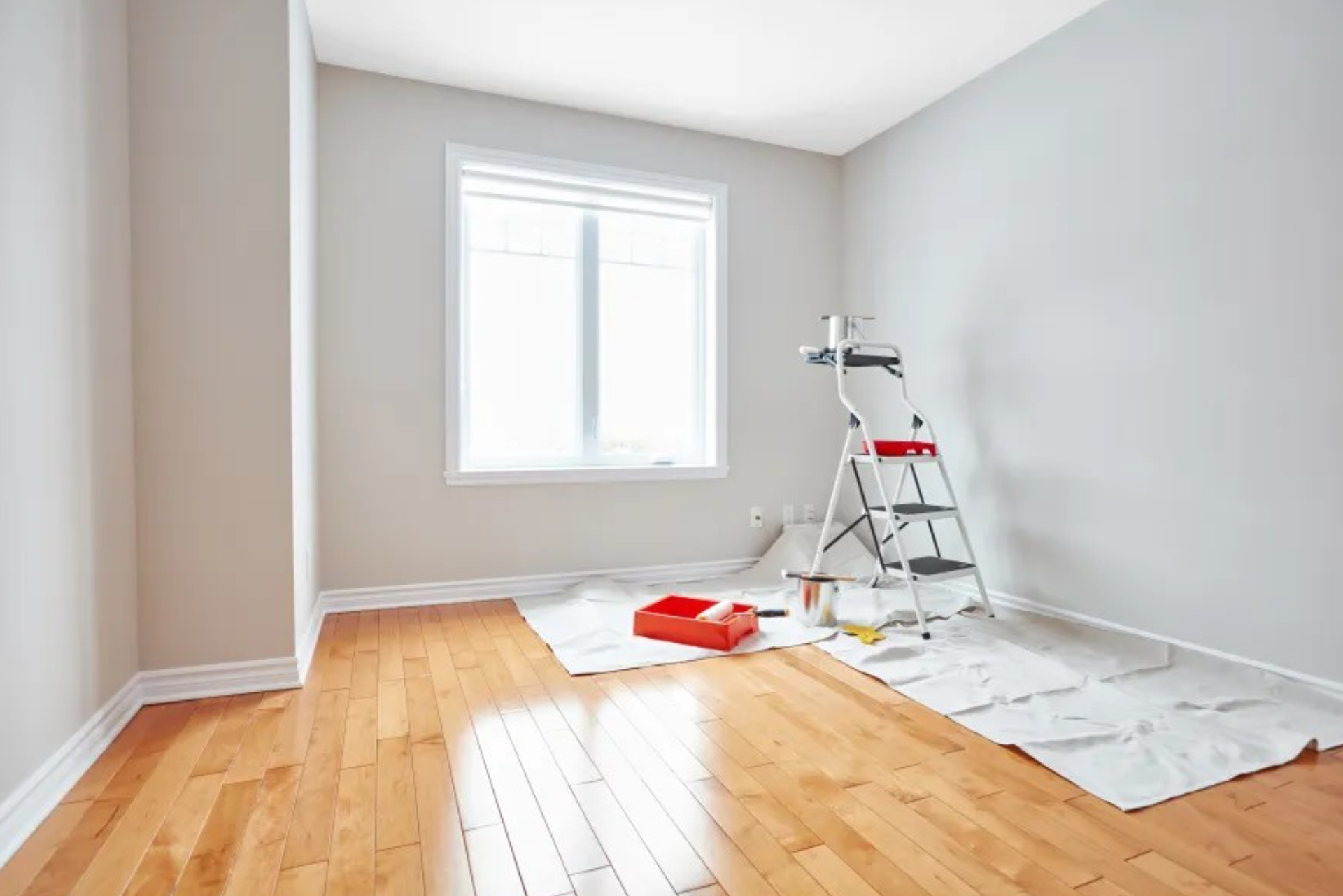
Protect Surfaces: Cover floors and immovable furniture with drop cloths or plastic sheeting. Use painter’s tape to protect baseboards and trim.
2ND
STAGE
SURFACE PREPARATION
Clean the Walls: Wipe down surfaces with a damp sponge and mild detergent (or sugar soap) to remove grease and dust, which prevents paint from sticking.
Repair Damage: Fill holes, cracks, or dents with spackling compound or filler. Scrape away any loose or peeling paint.
Sand: Once repairs are dry, sand the patched areas and the rest of the wall lightly to create a smooth surface for better adhesion.
3RD
STAGE
PRIMING
Apply Primer: Use a primer to help paint adhere and ensure a uniform finish. This is especially important for unpainted walls, porous surfaces, or when making a major colour change.
Cutting In: Use a brush to “cut in” the edges—painting the corners and borders where a roller can’t reach—before rolling the rest of the wall.
4TH
STAGE
PAINTING
Mix the Paint: Stir the paint thoroughly with a wooden stick to ensure uniform colour and consistency.
Apply the First Coat: Start from the top and work down. Use a roller in a “W” or “M” motion for even coverage, overlapping strokes to avoid streaks.
Wait to Dry: Allow the first coat to dry for at least two hours (depending on humidity) before starting the next.
Apply the Second Coat: Most projects require two coats for a rich, professional finish.
5TH
STAGE
FINISHING & CLEAN-UP
Remove Tape: Peel off painter’s tape while the paint is still slightly tacky to prevent peeling the new finish